
Optimizing Supply Chains: How Low MOQ is Empowering Startup Brands
Introduction
In the rapidly evolving global fashion and activewear industry, the traditional manufacturing model, characterized by high Minimum Order Quantities (MOQ) and long lead times, is increasingly becoming a barrier for innovation. The rise of e-commerce, direct-to-consumer (DTC) brands, and micro-trends has created an urgent demand for agility and flexibility. For B2B manufacturers, embracing Low MOQ (Minimum Order Quantity) is no longer just a niche offering but a strategic imperative to empower startup brands and foster sustainable growth.
The Challenge for Startup Brands
Startup and emerging brands often face significant hurdles:
•High Capital Investment: Large MOQs tie up substantial capital in inventory, posing a major risk for new businesses.
•Inventory Risk: Unsold stock can lead to heavy losses, especially in a fast-paced fashion cycle.
•Limited Flexibility: Inability to test new designs or respond quickly to market feedback.
•Limited Access to Quality Manufacturers: Many established manufacturers prefer large orders, leaving startups with fewer high-quality options.
The Low MOQ Solution: A Catalyst for Growth
Low MOQ manufacturing directly addresses these challenges, offering a lifeline to innovative brands:
•Reduced Financial Risk: Brands can place smaller orders, minimizing upfront investment and inventory holding costs.
•Enhanced Agility: Quicker turnaround times allow for rapid prototyping, market testing, and iteration of designs.
•Niche Market Penetration: Enables brands to cater to specific, smaller market segments with tailored products.
•Sustainable Practices: Reduces overproduction and waste, aligning with growing consumer demand for sustainable fashion.
The Manufacturer’s Perspective: Adapting to Low MOQ
For manufacturers, transitioning to a Low MOQ model requires significant operational adjustments:
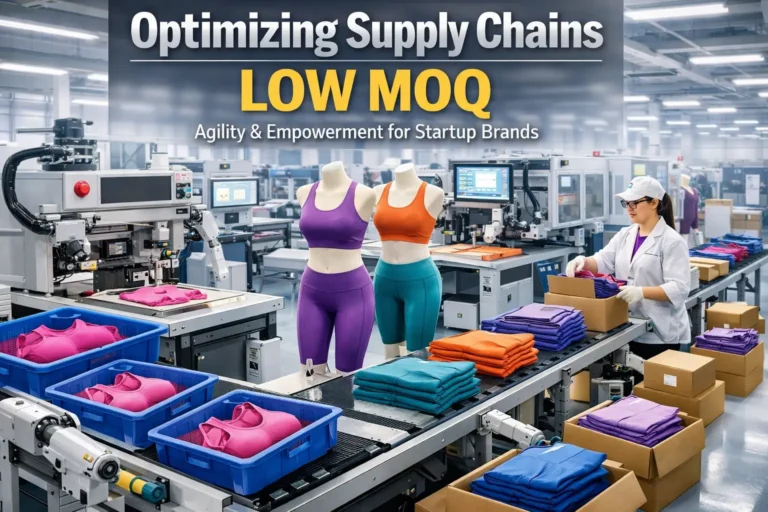
•Flexible Production Lines: Investing in modular machinery and cross-trained staff to handle diverse, smaller batches efficiently.
•Digitalization: Implementing advanced CAD/CAM systems for pattern making and cutting, reducing manual setup times.
•Efficient Material Sourcing: Building strong relationships with fabric suppliers who can provide smaller quantities or offer just-in-time delivery.
•Optimized Workflow: Streamlining communication and project management to ensure smooth execution of multiple small orders.
Yingzhuo exemplifies this adaptation, leveraging its advanced production capabilities to offer competitive Low MOQ solutions, thereby becoming a preferred partner for dynamic global brands.
The Future of B2B Partnerships
Low MOQ fosters a more collaborative and symbiotic relationship between manufacturers and brands. It allows manufacturers to:
•Attract Innovative Brands: Become a go-to partner for cutting-edge designs and emerging market trends.
•Diversify Client Portfolio: Reduce reliance on a few large clients by serving a broader range of businesses.
•Build Long-Term Relationships: Grow with successful startup brands, becoming an integral part of their journey.
Conclusion
The shift towards Low MOQ manufacturing is fundamentally reshaping the B2B supply chain in activewear. It democratizes access to high-quality production, empowers startup brands to innovate and scale, and drives a more sustainable industry. Manufacturers who strategically embrace and optimize for Low MOQ will not only thrive in this new paradigm but will also be instrumental in shaping the next generation of global brands.