
The Future of Activewear: Sustainability, Technology, and the New B2B Manufacturing Paradigm
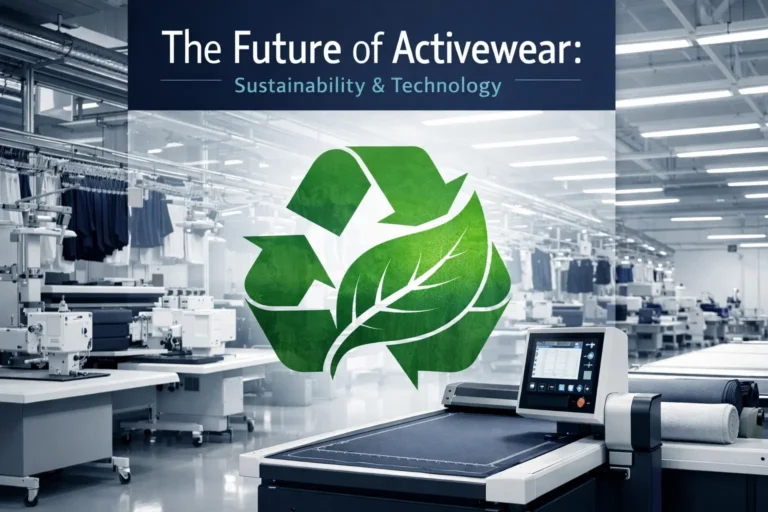
Introduction
As we move into 2026, the global activewear industry is undergoing a profound transformation. Driven by heightened consumer awareness and rapid technological advancements, the demand for yoga wear and swimwear has shifted from mere aesthetics to a complex balance of sustainability, performance, and ethical production. For B2B buyers and global brands, choosing the right manufacturing partner is no longer just about price—it is about aligning with a future-proof supply chain.
The Dominance of Sustainable Materials
Sustainability has evolved from a “nice-to-have” feature to a mandatory requirement for entry into premium markets. The 2026 market is dominated by recycled synthetics, particularly polyester derived from ocean-bound plastics and nylon made from repurposed fishing nets. These materials do not just reduce environmental impact; they offer superior durability and moisture-wicking properties that modern athletes demand. Manufacturers like Yingzhuo are leading this charge by integrating GRS (Global Recycled Standard) certified materials into their core collections, ensuring that every garment tells a story of environmental responsibility.
The Seamless Revolution
Technological innovation is most visible in the rise of seamless knitting. By eliminating traditional seams, manufacturers can create garments that offer a “second-skin” feel, reducing friction during high-intensity workouts and providing targeted compression. This technology also significantly reduces fabric waste during the cutting process, aligning perfectly with the industry’s zero-waste goals. For global brands, seamless yoga wear represents the pinnacle of comfort and high-end positioning, allowing for intricate textures and patterns that were previously impossible to achieve.
Agility through Low MOQ and AI
The traditional “mass production” model is being replaced by a more agile, data-driven approach. In an era of viral social media trends, brands need to move from concept to market in weeks, not months. This is where Low MOQ (Minimum Order Quantity) and AI-driven design become game-changers. By utilizing digital prototyping, manufacturers can reduce sampling times by up to 50%, allowing brands to test new designs with minimal financial risk. This flexibility is particularly crucial for startup brands and boutique fitness labels looking to scale without the burden of excessive inventory.
Ethical Supply Chains and Transparency
Beyond the product itself, the “how” of manufacturing has become a key differentiator. International certifications such as BSCI and ISO are now the baseline for trust. B2B clients are increasingly demanding full transparency into the working conditions and energy consumption of their production partners. A smart factory that utilizes solar energy and automated precision cutting not only ensures consistent quality but also provides the ethical assurance that modern consumers demand.
Conclusion
The future of the activewear industry belongs to those who can bridge the gap between high-performance technology and deep-rooted sustainability. As global trade routes become more complex, the value of a reliable, innovative, and ethically conscious manufacturing partner cannot be overstated. For brands looking to lead the 2026 market, the journey begins with a commitment to quality, agility, and the planet.