


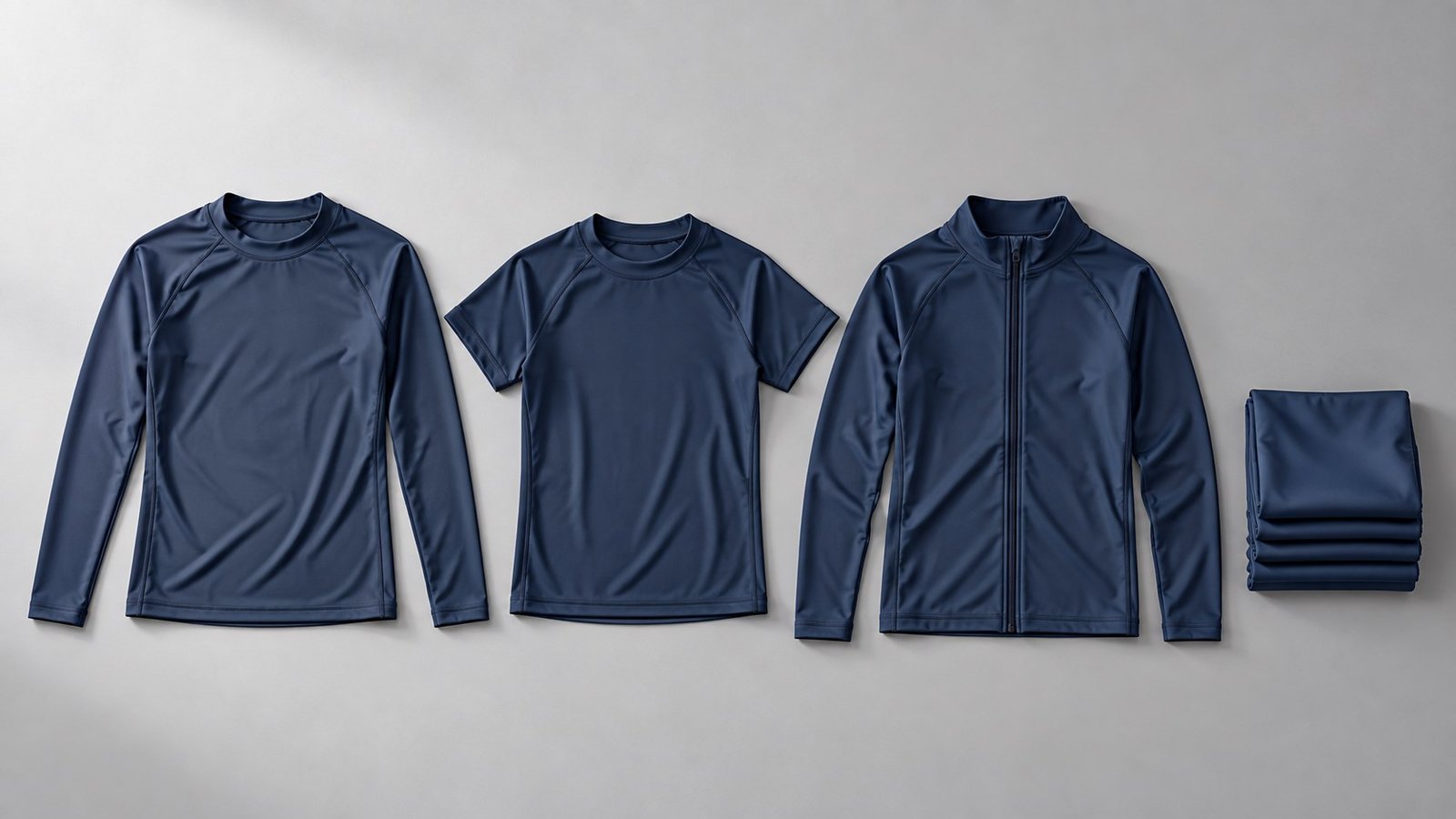
Walk into an REI in Denver or a Decathlon in Manchester and the sun-protection rack now takes up more floor space than the fashion swimwear beside it. Twenty years ago the rash guard was surf-shop equipment, sold next to board wax. Today dermatologists recommend sun-protective clothing by name, and parents buy kids rash guard sets before a first swim lesson. The category has kept growing through retail cycles that flattened ordinary swimwear, and it rewards brands that treat it as technical apparel rather than a beach novelty.
This guide is for founders, product developers and sourcing buyers who are planning a rash guard or swim shirt line. It walks through the decisions that determine whether a product earns its hangtag claims, from category definition through UPF ratings, fabric behavior and the fit choices that define a range. It closes with a lower-risk launch path and the questions brands ask us most often.
What Separates a Rash Guard from a Swim Shirt
The two labels get mixed constantly, sometimes by factories, so a clean definition protects you at the briefing stage. A rash guard is a fitted athletic top, originally built for surfers to stop board rash and wetsuit chafe. It sits close to the body because it has to work under a wetsuit and against a waxed deck, and a true surf rash guard adds flatlock seams plus a small connector loop at the hem that ties into boardshorts, so the top stays put in the water.
A swim shirt is the relaxed cousin. It is cut like a t-shirt, worn loose for casual sun coverage at the pool or the lake, and it trades hydrodynamics for comfort. Many swim shirts carry no tested UPF rating at all. That gap is your opportunity, because shoppers increasingly read hangtags, and a tested UPF 50 rash guard gives them a concrete reason to pay more for yours.
Search data shows how wide the demand runs. Queries like rash guard women, men’s rash guard and rash guard for swimming are three different buyers with three different fit expectations, and your range plan should treat them as separate products, not one pattern graded up and down. The same goes for retail channels. Surf shops want credibility, department stores want family coverage, and swim schools want durability.
UPF Ratings: Where the Number Comes From
UPF stands for Ultraviolet Protection Factor, and the math behind it is refreshingly simple. A fabric rated UPF 50 lets one fiftieth of the sun’s UV radiation through, which means it blocks roughly 98 percent. Ratings above 50 get labeled 50+, because finer distinctions stop meaning much on skin.
The rating is not self-declared. Brands typically send fabric to a third-party lab that tests to a recognized standard, most often AATCC 183 in the United States or AS/NZS 4399, the Australian and New Zealand method that much of the surf industry cites. Keep the report on file for every colorway you sell, because retail buyers and marketplaces increasingly ask to see it, and different colors of the same fabric can rate differently.
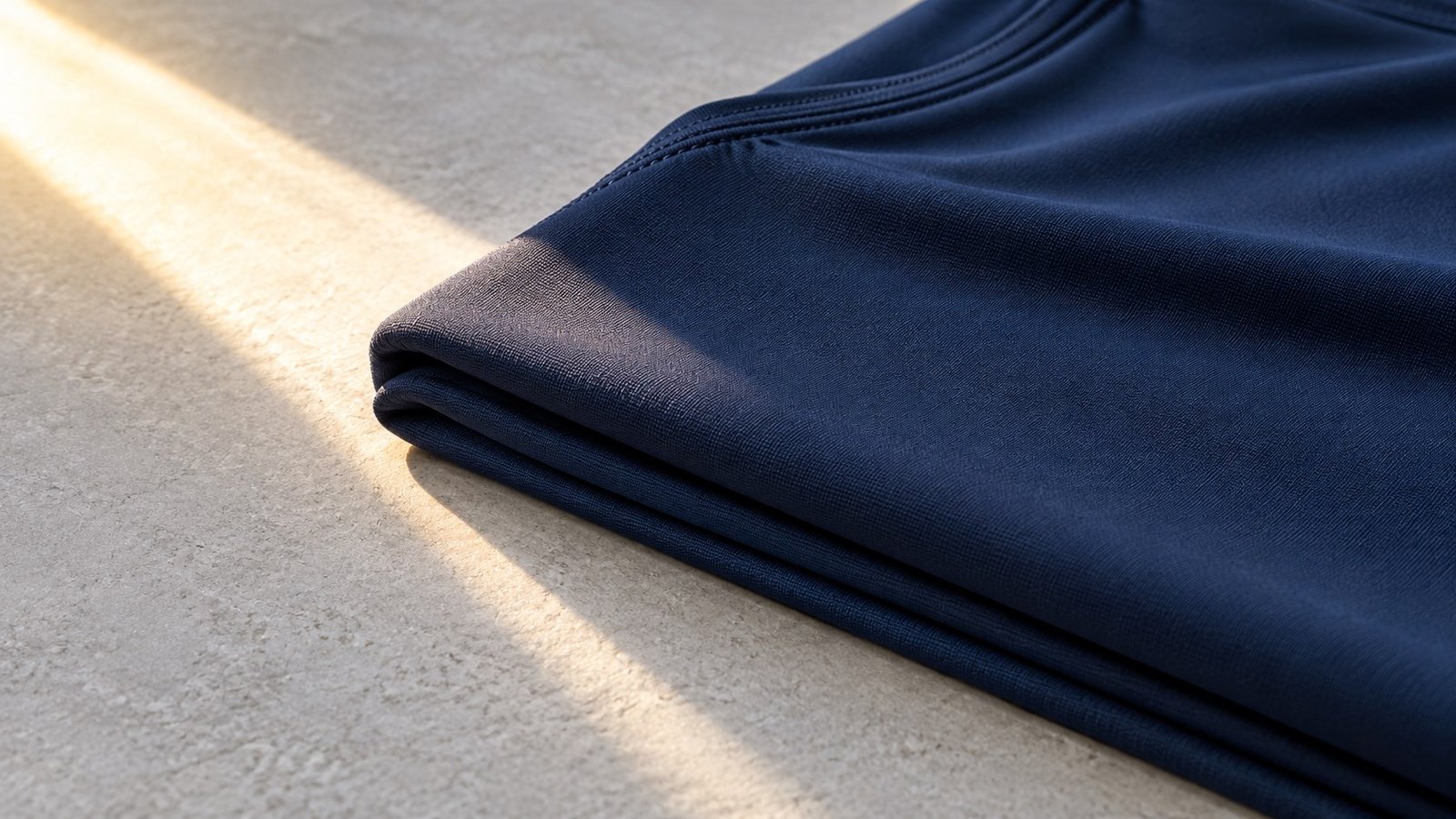
Fabric decisions set the rating long before any lab gets involved. Tighter knits leave smaller gaps for light to pass through, so knit density matters more than almost anything else. Weight helps too, and most rash guard fabrics run from about 180 to 220 gsm for exactly this reason. Color works in your favor as it deepens. Darker and more saturated dyes absorb more UV, which is why the same quality in black usually out-protects it in white.
The factor brands forget is stretch. When a snug garment extends over a shoulder or a flexed back, the knit opens and protection drops. A fabric that tests 50+ flat on the table can rate meaningfully lower on a moving body. Ask your factory for the rating at realistic stretch, wet and dry, and grade your fit so the garment sits snug rather than strained.
Fabric Choices for a Rash Guard Line
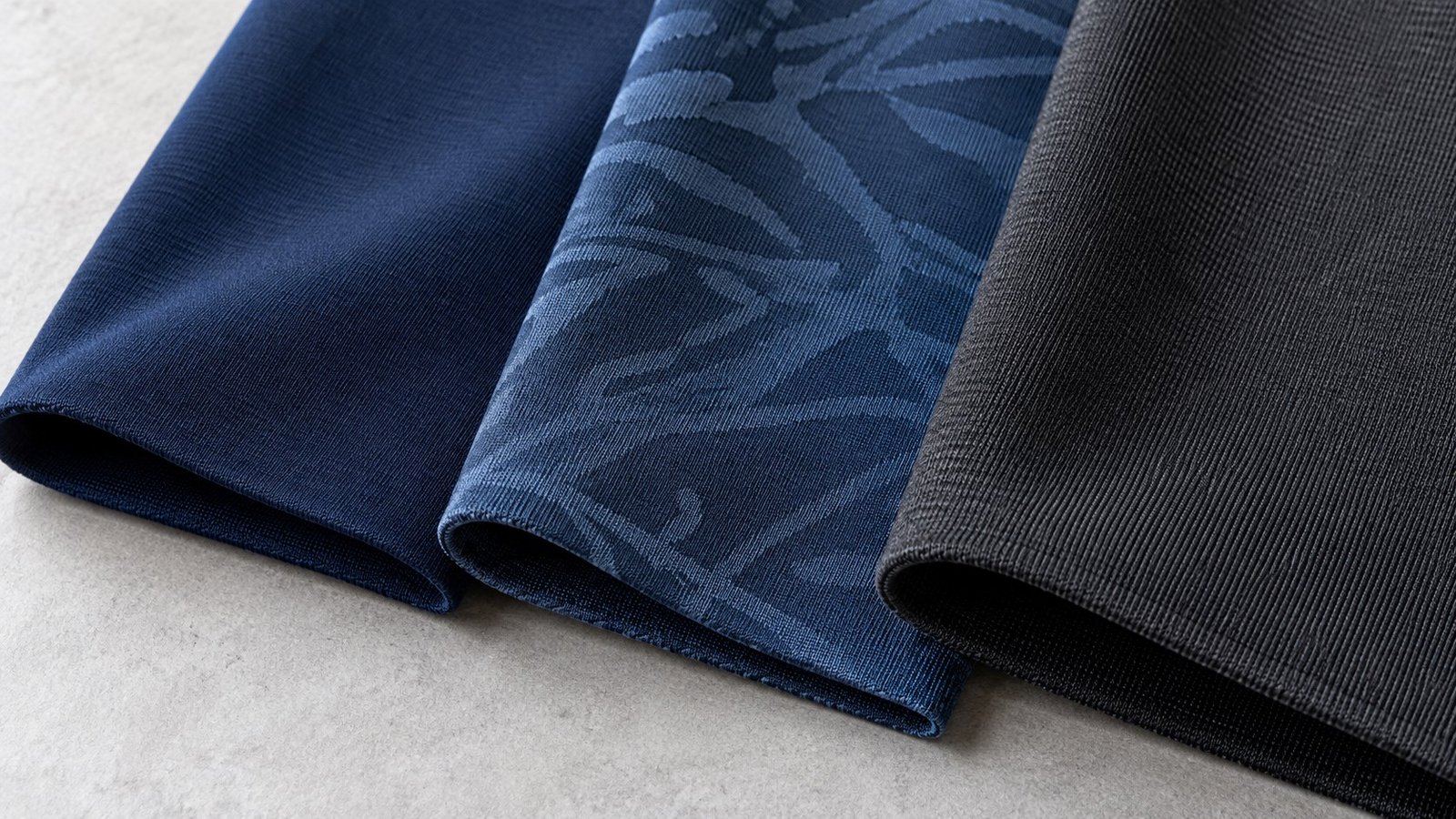
Nylon-spandex, usually around an 80/20 blend, gives the softest hand feel and the matte look that premium surf brands favor, which makes it the default base for a quick dry rash guard with lifestyle or surf positioning. Its weakness is pool water. Nylon loses stretch and color faster under chlorine, so a nylon top worn in a chlorinated pool three times a week will age within a season.
Polyester-spandex costs a little less, takes sublimation prints beautifully and shrugs off chlorine far better than nylon. If your line is print-heavy or priced for volume retail, polyester is usually the right base, and its slightly slicker hand feel is one some buyers prefer anyway. For swim schools, clubs and lap-swimming ranges, go a step further and spec chlorine-resistant PBT. It trades a little softness for shape and color that survive hundreds of pool hours, which is why training gear relies on it so heavily.
Whichever fiber you choose, hold the line on genuine four-way stretch and test recovery, the snap-back that keeps elbows and cuffs from bagging out. A fabric can stretch wonderfully and still fail your customer by staying stretched. If you want hands on swatches before deciding, our Zhongshan factory pulls rash guard qualities from a fabric library of more than 5,000 options, including recycled alternatives, and swatches of all three routes above go out with every development brief.
Fit, Sleeves and Seams That Define the Range
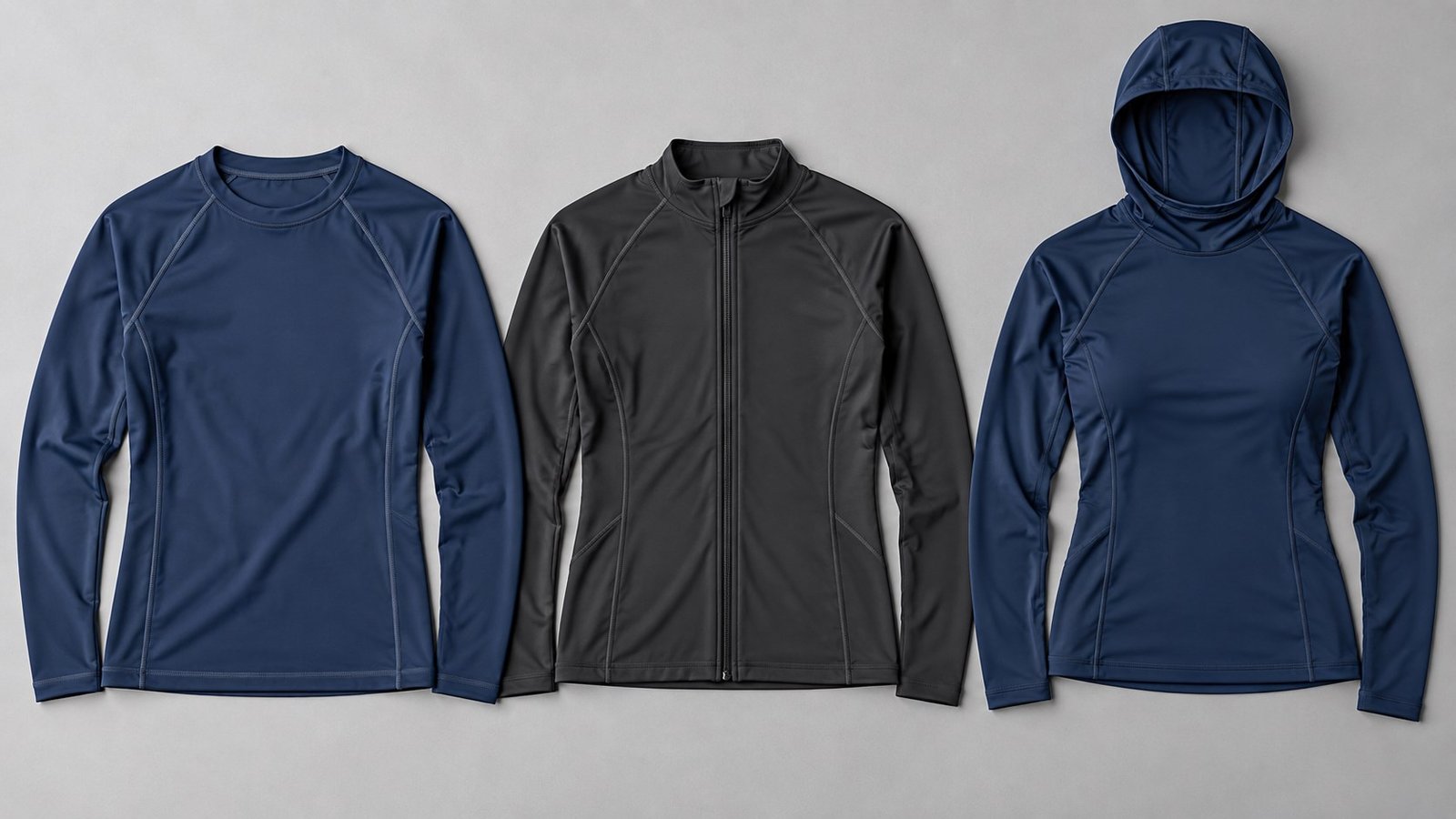
Sleeve length is your first segmentation call. A long sleeve rash guard maximizes coverage and carries the strongest sun-protection story, while short sleeves sell into warm water and high-mobility sports. Many brands launch both on the same body pattern, which keeps pattern costs contained while doubling the range they can present to buyers.
Closures widen the audience further. A zip up rash guard serves older customers, anyone who dreads pulling a tight wet top overhead, and parents dressing squirming kids. Specify a zip garage at the collar so the pull never touches skin, plus a backing placket so water does not flush through the teeth. A hooded rash guard answers the surf, paddle and open-water crowd, where scalp and neck burn fastest. Keep the hood light and close-fitting so it stays put in wind and water.
Fit intent shifts by customer. A men’s rash guard usually runs straighter through the torso with room in the shoulders, while women’s styles shape at the waist and need real attention to bust fit. Kids rash guard patterns call for easier entry, higher necklines and generous armholes, because a parent, not the child, decides whether the shirt goes back on after lunch.
Seams decide whether any of this gets worn. Flatlock stitching lies flat against the skin instead of ridging the way an overlock seam does, and on a garment worn wet against moving skin, that is the difference between all-day comfort and a rash of the wrong kind. Raglan sleeves clear seam bulk off the shoulder for paddling. A specialist swimwear factory reaches for these answers without being asked, which is one quiet way to tell one from a generalist.
A Lower-Risk Way to Launch Your Rash Guard Line
The most common first-order mistake is developing a fully custom range before anyone knows what sells. The safer path starts from proven, in-production blocks. At Enjoy Apparel, an OEM and ODM swimwear factory in Zhongshan, China, we keep more than 1,000 ready styles across swimwear and sun protection, and many brands launch their first rash guard range by putting their own colors, prints and logos on those blocks before committing to original patterns.
From there, development follows the sell-through. Styles that move get refined fits, exclusive prints and eventually fully custom patterns, which an exclusive design agreement can protect. Styles that stall cost you a test order rather than a season of development budget. Either way, the money goes into information you can act on.
If a rash guard line sits on your roadmap, send the sketch or the mood board to our team over WhatsApp, +852 9641 7199. You will hear back with fabric options, a shortlist from the ready range and an honest read on where to start.
Frequently Asked Questions
What is the difference between a rash guard and a swim shirt?
A rash guard is a close-fitting athletic top built for in-water sport, usually with flatlock seams and a tested UPF rating. A swim shirt is a looser, t-shirt-cut garment for casual sun coverage. They overlap at the casual end, but the fit, the seams and often the fabric weight make them genuinely different products, and your tech pack should say which one you are building.
What UPF rating should my line target?
UPF 50+ is the rating customers recognize and the one most retailers treat as the credible floor for a sun-protection claim. Lower ratings exist, but they are difficult to market when the hangtag beside yours says 50+. Set the fabric spec so the garment still earns 50+ stretched and wet, not just flat and dry on a lab bench.
What is your MOQ for rash guards?
Our floor is 100 pieces per style on a custom rash guard order, with the exact figure shaped by your fabric and color choices. Sampling runs 14–21 days once fabric, colors and artwork are locked. Launching on a ready style with your own colors and branding is the fastest route to that first order.
Can you add our logo to rash guards?
Yes, and rash guards take decoration well. Heat transfer logos are the category standard because they sit flat and stretch with the fabric. Silk screen suits bold chest and back prints, while silicone, reflective and embroidered marks fit premium or surf-positioned lines. Share your artwork and we will recommend the method that survives the water your customers swim in.

