



If you source swimwear from China and sell into the United States, September 2026 has given you plenty to worry about. A sanctions bill passed by the US House this month would authorize tariffs of up to 100% on imports from China and India, according to industry press reports. Days earlier, former senior US trade officials publicly questioned the legal basis of the Section 301 tariffs already in place. And the FABRIC Act, aimed at reshoring garment production, was reintroduced in Congress.
We are a China-based swimwear manufacturer, and we follow these headlines more closely than most. After more than a decade of watching US trade policy swing, our honest advice is the opposite of panic. The worst sourcing decisions are made in the two weeks after a scary headline.
This guide walks through what is actually happening, how tariffs really hit your cost structure, why “just move to another country” is harder in swimwear than in almost any other category, and the calm moves that protect your margins. Written from the factory side of the table, it is the same briefing we give our own US clients.
Note: policy details below are current as of mid-September 2026 and sourced from trade press reporting. Verify the status of any bill or tariff rate with primary sources before making decisions. We list them at the end.
What Is Actually Happening (as of September 2026)
Strip away the headlines and three things are true at once. First, new tariff authority targeting China is advancing through Congress, though a House-passed bill is not law until the Senate acts and the President signs. Many bills die somewhere along that road. Second, the legality of the existing Section 301 tariffs is being openly challenged by former trade officials, which means some current tariffs could theoretically be struck down as easily as new ones could be added.
Third, trade fragmentation more broadly is accelerating, and brands are being pushed to document their supply chains in more detail, across more jurisdictions, every year. The practical takeaway is neither “tariffs are coming” nor “tariffs are going.” Volatility itself has become a permanent line item in your sourcing strategy, and the brands that win are the ones structured to absorb swings in either direction.
How Tariffs Actually Hit Your Landed Cost
Tariffs rarely hurt the way people imagine. The pain is in the compounding. Your landed cost builds in layers. The FOB price you negotiated, then international freight and insurance, then the customs duty itself, then the quiet small print. Merchandise processing fees, harbor maintenance fees and brokerage charges are each small alone and meaningful together, especially on smaller shipments.
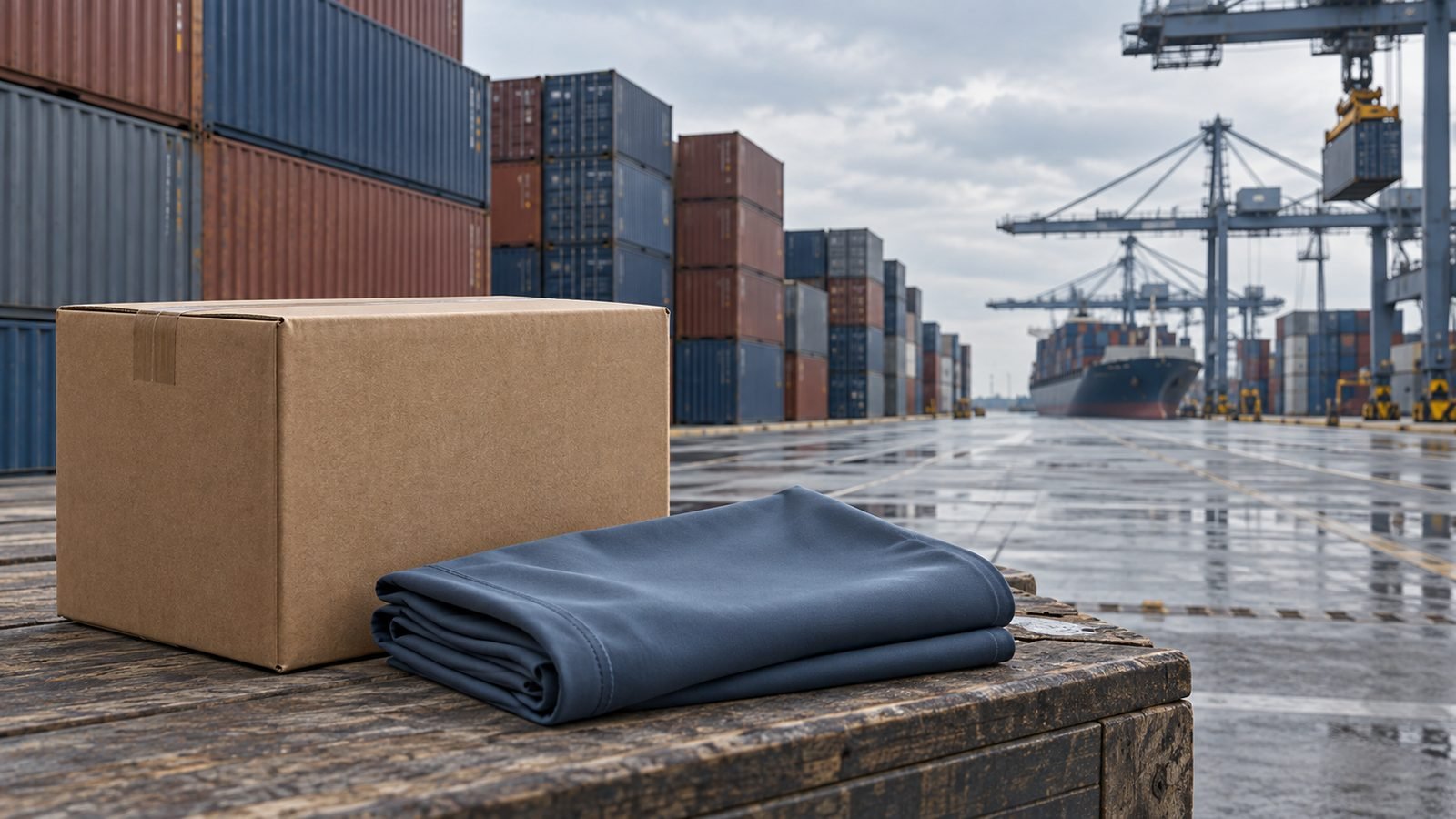
How duty is calculated, and how your product is classified, decide what you actually pay. Duty applies to customs value, generally the FOB price rather than your retail price, but your margin multiple then amplifies that increase all the way up to the shelf. A modest rise in first cost can force a much larger retail pricing decision.
Classification matters just as much. Knitted synthetic swimwear, woven cover-ups and rash guards can fall under different HS codes with different duty rates, which means a wrong classification either costs you money quietly or triggers a compliance review loudly. If you do not know your landed cost per style to the cent today, fixing that comes before any tariff scenario planning.

Why “Just Move Production” Is Harder in Swimwear
Every tariff cycle produces the same advice. Move sewing to Vietnam, Bangladesh, Turkey, anywhere else. In basic knitwear that can work. Swimwear is different, for structural reasons most commentators miss.
Start with fabric. Swimwear is not sewn from commodity jersey. It depends on high-stretch nylon-spandex and polyester-spandex knits, chlorine-resistant, UPF-rated, recycled, produced by a concentrated set of mills. China holds the deepest and most complete supply base for these qualities. Many garment factories in Southeast Asia import their swim fabric from China, so moving the sewing often does not move the supply chain at all. It just adds freight and lead time on top of the same fabric.
The trims are equally specialized. Molded cups, underwires, chlorine-proof elastics and rust-proof hardware come from the same regional ecosystem. Then there is requalification. A new factory means new patterns, new samples, new fit approvals, new colorfastness and compliance testing. Budget a full development cycle, months rather than weeks, before a replacement factory ships a single sellable unit. And when an entire industry reroutes at once, alternative factories fill up and their prices rise to meet the moment.
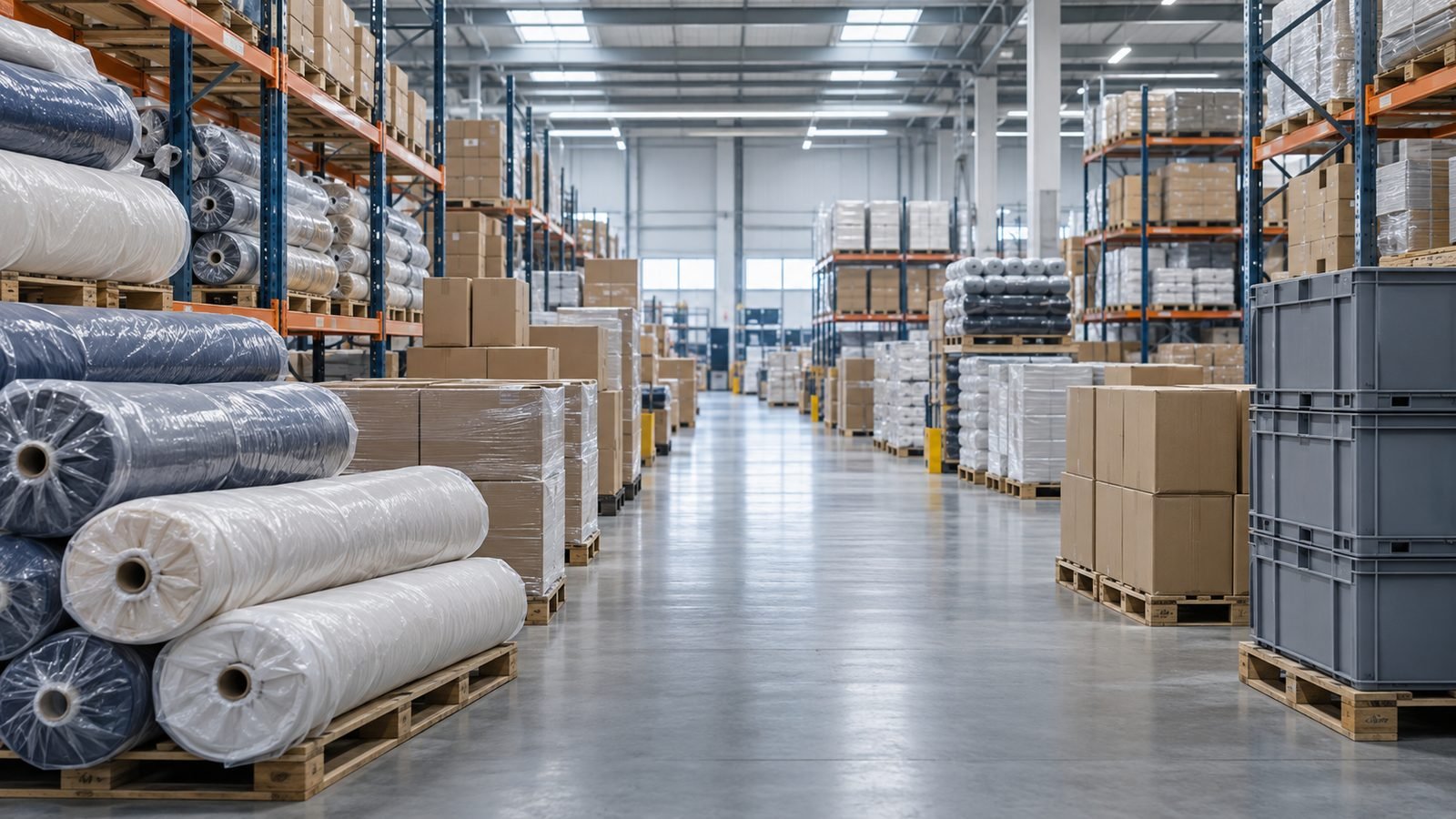
None of this means diversification is wrong. It means a panicked, unexplored move usually costs more than the tariff it was meant to escape.
Seven Questions to Ask Your Manufacturer Right Now
If you do nothing else this week, have this conversation with your supplier:
- Where does our fabric actually come from, with origin documentation per quality, not a verbal answer?
- Can you support our customs paperwork accurately, from certificates of origin to packing declarations? (Knitted synthetic swimwear is commonly classified in the 6112.31/6112.41 family, but confirm your exact codes with your broker.)
- What are our Incoterms, really? Under FOB you control freight and see every cost layer; under DDP the factory bundles everything, which is convenient until you need to know what a tariff just changed.
- How would a tariff change flow through our pricing, passed through, shared, or absorbed, and documented how?
- What is our realistic Plan B? A serious answer covers fabric sourcing, requalification timeline and cost, not just “we also work with factories in X.”
- Can we dual-quote our best-selling styles at two origins before we need the second option?
- What are you seeing from your other US clients? A factory serving the American market is a free early-warning system.
Planning for Three Futures at Once
Development for next season starts now, which means your 2027 costing has to survive several policy outcomes. If new tariffs raise your landed cost, the disciplined response is to adjust the duty line item and renegotiate quote validity windows, while resisting the urge to switch factories mid-season. Switching costs will exceed the tariff on a first order.
If the status quo holds, you get more of the same volatility, and the right posture is keeping dual quotes for your crown-jewel styles and your origin documentation current. If existing tariffs are struck down, your first cost drops, possibly retroactively. Treat that as margin buffer, not as a reason to cut retail prices you will struggle to raise again.
Cost documentation and source tracking make every one of these futures easier. Build duty into your pricing as a visible line item, so that when it moves you adjust a number instead of rebuilding your entire pricing architecture. And track primary sources rather than commentary. The USTR publishes the tariff actions, US Customs publishes the entry rules, and your customs broker translates both into your specific codes.
How We Work with US Brands
Enjoy Apparel is a Zhongshan-based OEM/ODM manufacturer of swimwear and activewear, and our US clients range from first-collection startups to established sellers. What they come for is transparent costing. Fabric origin documentation on request, accurate customs paperwork, clear FOB terms, and minimums low enough (from 100 pieces per style) to test styles and routes before committing real volume. When costs move, you see exactly where.
If tariff headlines have you re-evaluating your supply chain, start with a conversation, not a relocation. Our team answers on WhatsApp (+852 9641 7199) and by email (admin@zsenjoyco.com).
Frequently Asked Questions
Who actually pays the tariff, the factory or the brand?
Legally, the importer of record pays US customs duties at entry. Under FOB terms, that is you or your US entity. Factories cannot “absorb” a US tariff, though suppliers and buyers sometimes renegotiate pricing to share the pain. Be skeptical of any party who tells you otherwise.
Is DDP shipping safer in a volatile tariff environment?
DDP moves customs responsibility to the shipper and makes your cost predictable upfront, but you trade away visibility and control. In volatile times, seeing your cost layers under FOB usually beats hiding them. If you use DDP, work only with partners you trust deeply.
Will moving production out of China eliminate tariffs?
Only if the country of origin genuinely changes. In swimwear, fabric, trims and development often remain tied to the Chinese supply base even when sewing moves. Rules of origin are technical; get a customs broker’s opinion before counting on any savings.
Where can I check the current status of tariffs myself?
The Office of the US Trade Representative (ustr.gov) for tariff actions, US Customs and Border Protection (cbp.gov) for entry rules and duty rates, and your licensed customs broker for your specific HS codes. Verify anything you read, including this article, against those sources before acting.

