


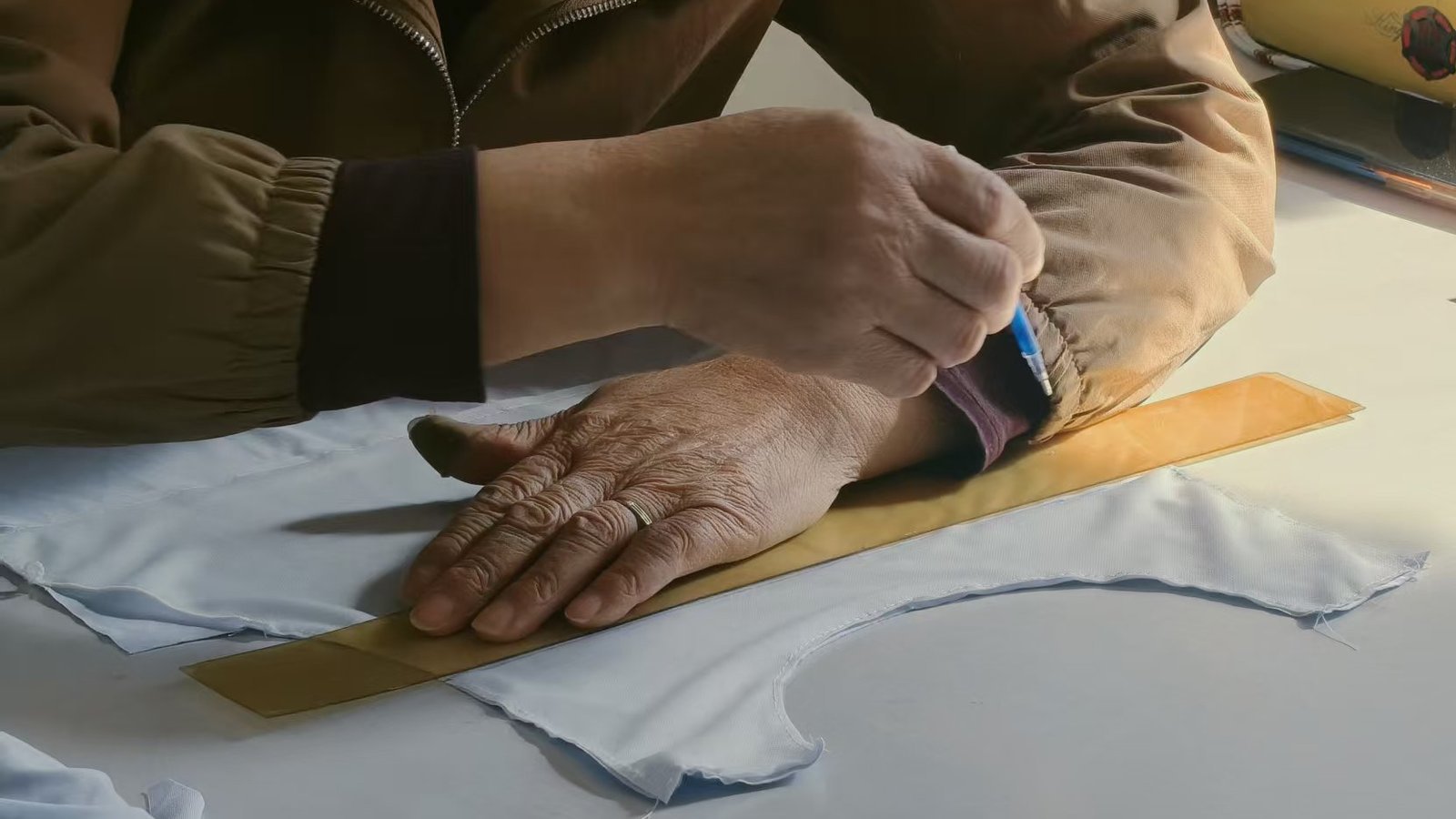
Trajes de baño is widely considered one of the most return-prone categories in apparel, and size uncertainty is usually the reason. A swimsuit that has been tried on typically cannot go back into saleable stock, so every sizing guess turns into inventory you write off. For a young brand, fit inconsistency is not a nuisance. It is margin leaking out of every order.
This guide explains swimwear size grading in the terms a factory actually uses, from base size and grade rules to fit samples and the size-set. It is written for founders and e-commerce sellers who want fewer returns and a size chart they can stand behind.
Why Grading a Swimsuit Is Not Grading a T-Shirt
A T-shirt pattern is graded by adding width and length to a garment that hangs loosely on the body. The ease is positive, meaning the finished shirt measures larger than the person wearing it. A swimsuit works on the opposite principle. It is built with negative ease, so the finished garment measures smaller than the body and stays in place through fabric tension. Grading a swimsuit is therefore not scaling a shape outward. It is redistributing controlled stretch across a size run.
That difference changes the math. Stretch fabric does not recover identically at every size, so the factory must decide how much negative ease each size carries at each measurement. If finished dimensions grow in step with the body, larger sizes end up with less tension and fit looser than the sample size. If they grow less, smaller sizes become unwearably tight. A T-shirt tolerates that drift. A swimsuit does not, because tension is the only thing holding it on.
The shape complicates things further. Bust, waist and hip do not scale at the same rate, and neither do torso length, cup volume and leg opening height. A one-piece that gains an inch at the bust per size may need only a fraction of that through the body loop, and that difference is what separates a suit that sits flat from one that digs into the shoulders or sags at the seat.
Elastic is the quiet variable. Leg openings, straps and underbust bands are all cut shorter than the edge they finish, so they pre-tension the garment against the body. Every size needs that ratio recalculated, because the same elastic percentage pulls differently across a larger opening. Grading software scales pattern pieces easily. Scaling tension still takes a pattern maker who understands swim.
Choosing Your Base Size and Grade Rules
Every size run starts from a base size, the single size on which the pattern is perfected and the fit sample is approved. The default in many factories is a medium, but the right base is the size your core customer actually buys. If your order data clusters around small and medium, grade from one of them. Fit is proven at the base size, so it should sit at the commercial center of your range rather than at a convention.
From that base, grade rules push the pattern outward. A grade rule is the set of per-size increments applied to each measurement, and in US swim sizing the bust and waist typically move in steps of roughly an inch while the hip moves slightly more. Those numbers are yours to tune. Whatever you settle on, the rules belong in your tech pack as agreed values, not as an unexamined factory default.
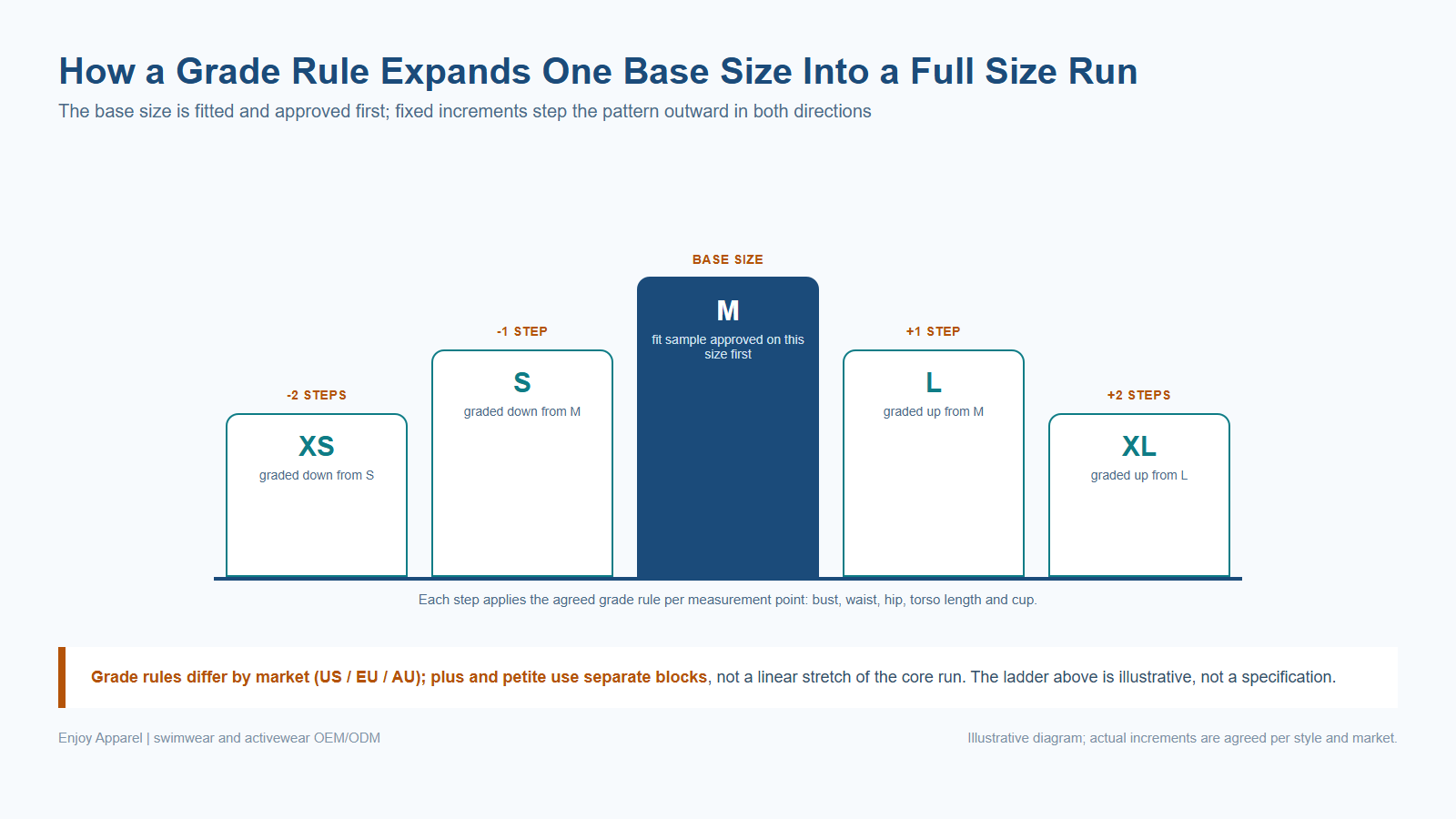
Geography adds another layer. US, EU and AU systems label the same body differently, and a brand selling across all three needs its conversion table locked before grading begins, not after the first shipment. It helps to work with a factory that already runs multiple sizing systems, since the conversions then feed the grade rules directly instead of being patched on afterward.
Plus and petite ranges deserve special care, because they are not the base pattern stretched or shrunk. A plus-size body differs in proportion, not just scale, so armhole depth, cup spread and rise shift in ways a linear grade will never capture. Petite bodies carry a shorter torso, which changes the entire balance of a one-piece. Each range needs its own block and its own grade rules, validated on its own fit models.
The Trajes de baño-Specific Checkpoints
Torso length is the measurement that makes or breaks a one-piece. Each size typically gains a small increment through the body loop, and the tolerance is unforgiving. A suit graded too short pulls at the shoulders and rides up, while one graded too long wrinkles through the midsection and sags when wet. Ask how your factory grades torso length, and check it on the size-set rather than only on the base sample.
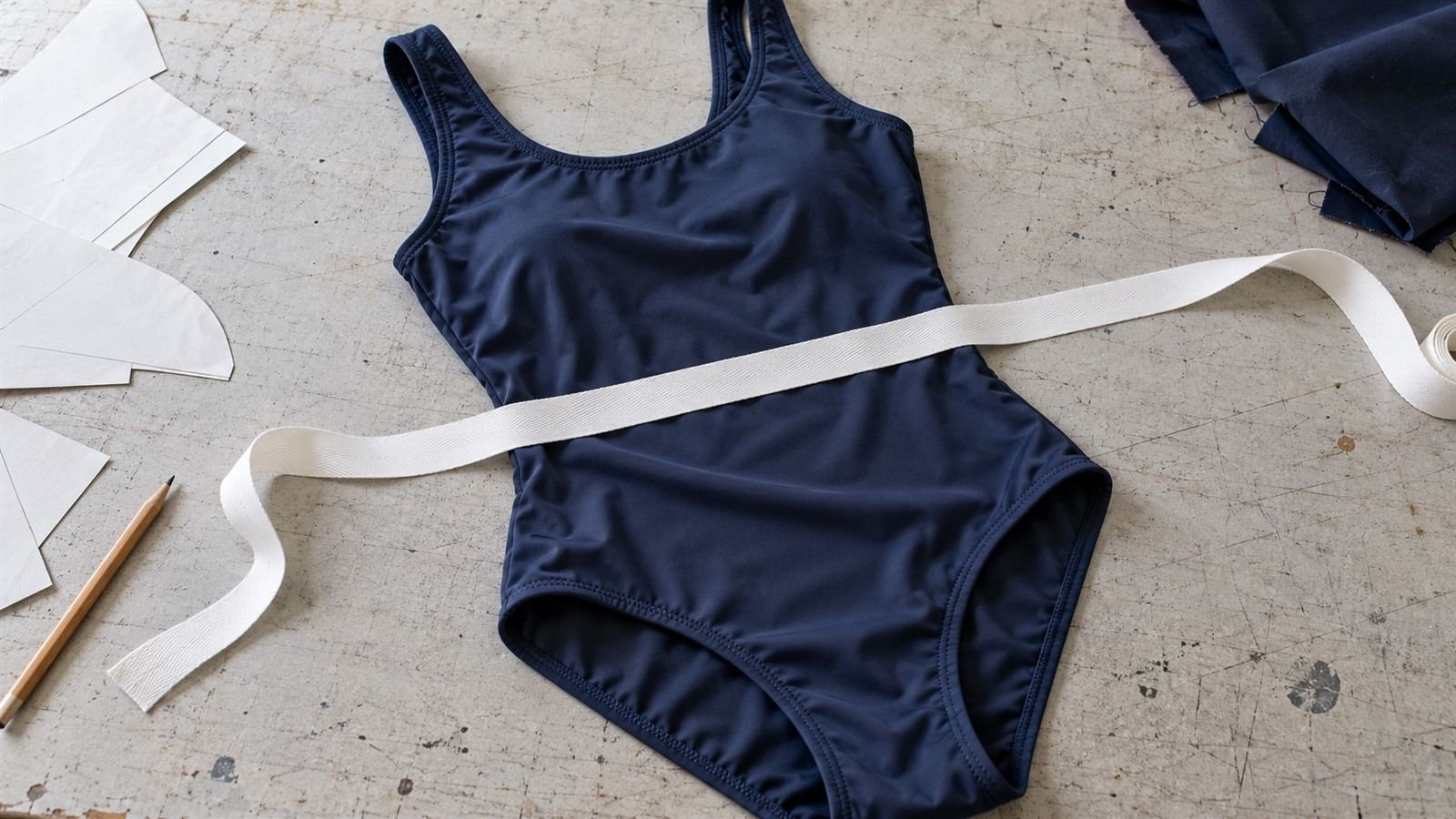
Cups grade independently of the band. Cup volume grows with cup letter rather than with band size, so a range running from A to DD cannot share a single cup shape across the run. Padding placement and wire length, where the design uses them, shift with each grade. Coverage expectations shift with size too, and the construction standards behind fuller-coverage styles are worth a separate read in our modest swimwear manufacturing guide.
Leg opening height changes how a suit reads across sizes. A high-cut leg rises as the size increases unless the grade rule compensates, which is how a cheeky small becomes a much more revealing XL. Strap length grades as well, and adjustable hardware has a finite range, so the extremes of your size run deserve a specific check rather than an assumption that the base size’s proportions will hold.
There is also a regional question most brands never think to ask. Many factories draft their base blocks on Asian fit forms, where average torso, rise and bust placement differ from Western proportions. A size run that fits beautifully on one block can miss consistently on another. Before you approve any grading, ask which body the base block was built on and how the pattern has been validated for your market.
Fit Muestras and the Size-Set
The sample sequence in swim usually runs in three stages. A base-size fit sample proves the pattern on one body. The graded spec then gets reviewed on paper, measurement by measurement, before any more fabric is cut. Finally, a size-set sample run produces the style across the full size range, so the grade can be checked in cloth rather than in theory.
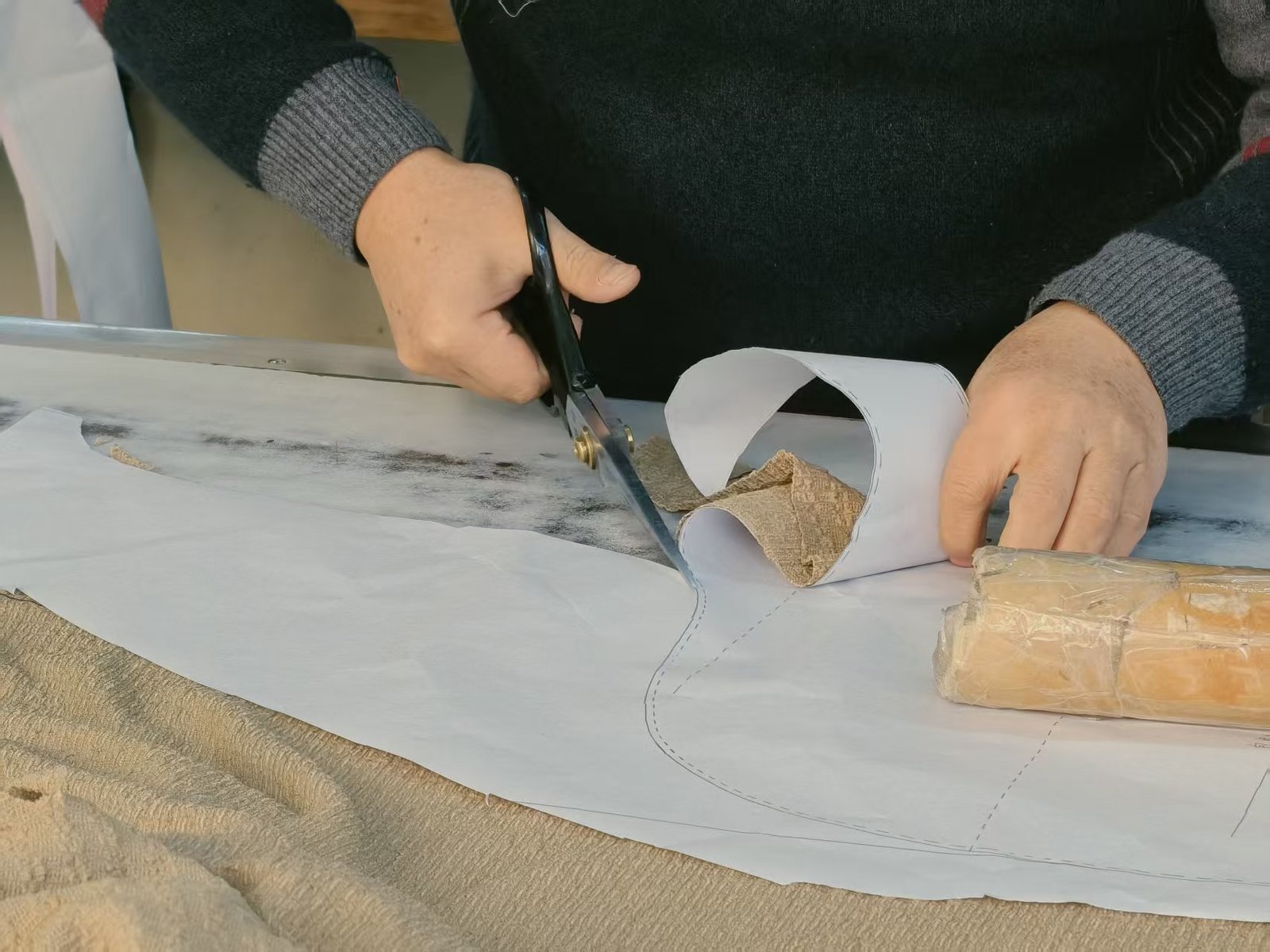
When the size-set lands on your desk, a short routine catches most problems before bulk:
- Measure the full spec on every size and compare each point against the graded chart, not just against the base size.
- Try at least the smallest, the largest and one middle size on real bodies, because stretch fit reads very differently on a table.
- Check negative ease at bust and hip by comparing garment measurements to the target body, so each size carries the intended tension.
- Stretch each elastic opening and let it recover, since a size that bags out on a first try-on will not survive a season of wear.
- Record every deviation in writing and have the factory confirm the corrections before the production sample is cut.
Signing the size-set is signing your size chart. Whatever those garments measure is what your customers will receive, so treat the approval as the moment the chart becomes real. Deviations found after bulk production are no longer fit feedback. They are a claims conversation.
Working with a Factory on Grading
This is the part of the process where a swim-specialist factory earns its keep. At Enjoy Apparel, an OEM and ODM swimwear and activewear manufacturer based in Zhongshan, Guangdong since 2014, grading starts from a base size agreed with the brand rather than a house default. Patterns are developed across US, EU and AU sizing, with plus and petite ranges built on their own blocks instead of stretched from the core run.
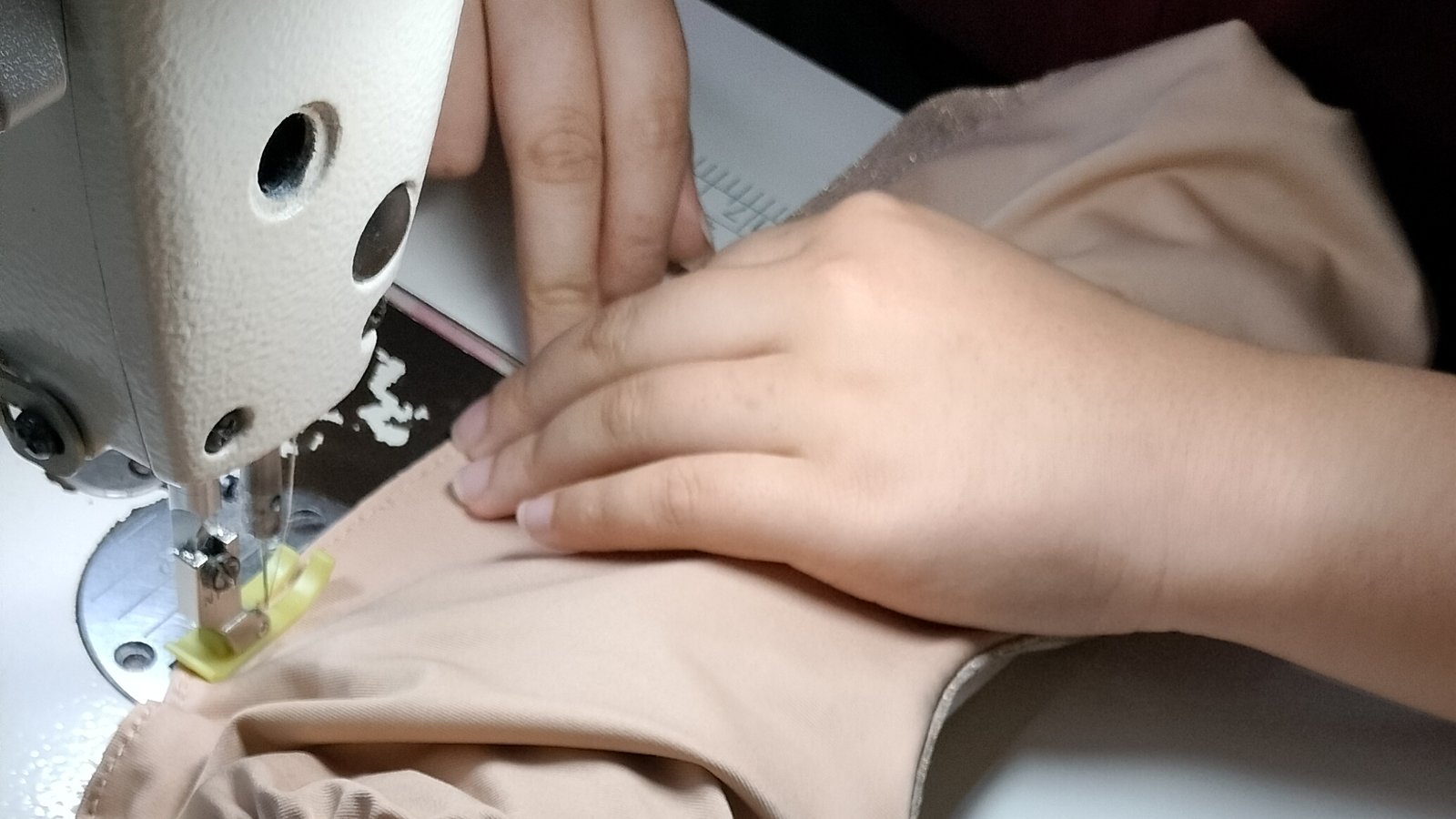
Once the grade is approved on paper, the factory produces a size-set for confirmation before bulk cutting begins, across a swim line that runs from bikinis and one-pieces to tankinis, rash guards and kids’ swimwear. The same grading discipline carries into the yoga line of leggings and sports bras. You can see the range on our swimwear product page, and the step from approved spec to size-set sits inside our custom process walkthrough.
The Short Version
Trajes de baño grading is the management of tension across a size run, which is why it behaves nothing like grading a tee. Choose the base size where your customers actually live. Write your grade rules down and make them yours. Treat plus and petite as separate blocks, check the swim-specific points on the size-set, and approve the graded spec in writing before bulk.
If you are building a swim line and want a factory that treats your size chart as an engineering document, email admin@zsenjoyco.com with your chart, your target sizes or even just your questions. A pattern team that grades swimwear every week will tell you plainly what your range needs.
Frequently Asked Questions
What is a grade rule?
A grade rule is the set of measurement increments applied to a base pattern to create each larger and smaller size. In swimwear it covers not just width and length but also negative ease, torso growth, cup volume and elastic tension, so the rule set is longer and less forgiving than the equivalent for a T-shirt.
Should plus sizes be graded from the same base pattern?
No. Plus-size bodies differ from straight sizes in proportion, not only in scale, so armholes, cup spread, rise and torso balance all shift in ways a linear grade cannot follow. A plus range should be built on its own block with its own grade rules and validated on plus-size fit models, and the same logic applies to petite sizing at the other end of the run.
How many fit samples should I expect before bulk?
A typical sequence is a base-size fit sample, a review of the graded measurements on paper, then a size-set sample covering the full run, with a pre-production sample confirming everything before cutting. The exact count varies with style complexity and how many correction rounds the fit needs, so agree the sequence with your factory at the start rather than discovering it mid-development.

